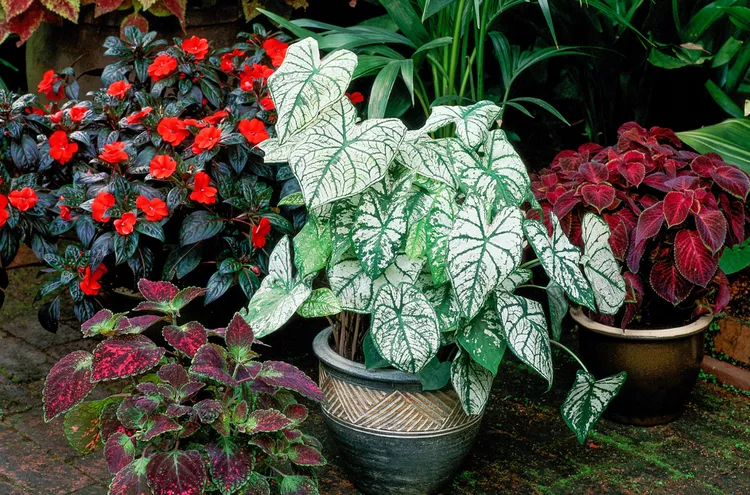
Are begonias perennials or annuals? It’s not a simple question because they’re such a widely diverse group of plants. Some begonias are right at home in sunny porch pots. In contrast, others grow well in the ground as bedding plants, while still others thrive indoors as long-lived houseplants. Some members of the begonia family are demanding and particular. Rex begonias are a good example; they grow best indoors, shielded from the wind and other harsh conditions, while other begonias have a go-with-the-flow growing style, such as hybrid bedding varieties.
These tips will help you get the most out of all the begonias in your garden beds and containers, whether you live in an area where you can grow them as perennials or someplace you’ll plant them as annuals.
Annual vs. Perennial Begonias
Botanically speaking, an annual is any plant that completes its life cycle (seed to seed) in one growing season before naturally dying. Plants that survive winter in the landscape, blooming and growing again each year, are perennials. Many plants from tropical areas, such as most begonias, can live for years but are often treated as annuals because they don’t survive freezing winters outdoors. However, if you brought frost-tender begonias indoors, they would continue to grow, so they aren’t technically annuals. Annual plants naturally die after growing for a year or less.
How to Grow Hardy Begonia
Hardy begonia (Begonia grandis) returns year after year in USDA Hardiness Zones 6-9. Unfortunately, gardeners in Zones 5 and colder don’t have a perennial begonia option that will survive outdoors. Hardy begonia can’t survive the cold winter temperatures in these areas.
Where to Plant Hardy Begonia
Perfect for planting in a shade garden, hardy begonias form a 2-to-3-foot-tall mound of glossy green foliage. Popular with pollinators, hardy begonias produce clusters of pink flowers beginning in midsummer and continuing into fall. Grow hardy begonias in part to full shade. Unlike many plants, they can grow in deep shade but will produce fewer flowers.
Soil and Water
Like most begonias, Hardy begonia thrives in moist, organically rich, well-drained soil. To determine if the soil has good drainage, dig a hole 12-18 inches wide and 12-18 inches deep (it doesn’t have to be exact). Fill the hole with water. Once it drains, refill it with water and wait for it to drain again. The level should drop about an inch per hour in soil with good drainage.
Once established, hardy begonia is a perennial that will tolerate some drought, but it grows best when well-watered. The plant benefits from a 2-inch layer of compost spread over its soil in spring to provide nutrients and help hold moisture in the soil. Deadhead faded flowers to encourage repeat bloom.
Propagation
Hardy begonia naturalizes well, slowly spreading to form a small colony within a couple of years. It spreads by forming tiny bulblets on the tips of its stems in fall. The bulblets drop to the ground and grow into new plants the following spring. Easy to keep within bounds if needed, the tiny new plants can be dislodged with a hoe or garden trowel.
What to Plant with Hardy Begonias
Pair hardy begonias with spring-blooming bulbs. One of the latest plants to emerge in spring, hardy begonia appears well after bulbs finish blooming. This slowly spreading plant will form a carpet of color and texture that will help hide the dying bulb foliage.
Shrubs that tolerate shade, such as azalea and rhododendron, are good planting partners for hardy begonias. These shrubs require little care other than watering during dry spells. Spread a 2-inch layer of shredded bark mulch around shrubs and hardy begonias in early summer to create a nearly carefree landscape bed. Other companion plants for hardy begonia are hosta, ferns, and bleeding heart, which grow well in shady spots.
5 Garden Begonia Care Tips
Hybrid garden begonia varieties sold as container and bedding plants are one-season wonders grown like annuals (though technically, they can live longer than a year). They provide lush foliage and instant color from late spring until fall. In areas where it freezes, these plants die once cold weather sets in. Maximize your enjoyment of these colorful plants with these essential growing tips.
1. Be Mindful of Pot Size
Popular hybrid begonias, such as the ‘Dragon Wing’ and ‘BIG’ series, grow fast. Plant large hybrids in containers at least 18 inches in diameter so they have plenty of space to develop arching, flower-filled stems.
2. Water Consistently
Allow the soil surface to dry to the touch between waterings. If the soil feels dry, water the plants deeply. Otherwise, check again the next day. Begonias growing in shade need less frequent watering than those growing in full sun.
3. Pay Attention to Sun or Shade Preference
Enjoy begonias in sun or shade. For decades, begonias were primarily shade plants. Plant breeders have recently developed new varieties of hybrid and wax begonias that can tolerate direct sun. Check plant tags before buying to make sure you’re selecting the best types of begonias for your light conditions.
4. Add Slow-Release Fertilizer
Begonias don’t require many nutrients to bloom well. To keep them blooming all summer, add a slow-release fertilizer to the soil mix at planting time. Follow the package directions to avoid overdoing it, which can burn plants.
5. Extend the Season
Begonias are sensitive to cold temperatures; near-freezing temperatures turn begonia foliage black. Cover the plants to prevent early cold spells from cutting the bloom season short. When temperatures below 40℉ threaten in fall, cover potted plants with a blanket, tucking the blanket under the container to keep cold air away from the plant. Early fall blasts of cold are often followed by a stretch of warm days. A little effort protecting plants will likely extend the growing season a week or two.
New