There are hundreds of gorgeous houseplants you can grow, but a few happen to contain chemicals that can have unpleasant—even deadly—effects. Poisonous houseplants can cause skin irritations, upset stomachs, and burning of the mouth and throat. Some plants are more toxic than others, and the good news is that most would need to be swallowed in large quantities to cause any real damage. But still, if you have curious children and pets who may want to chew or crush plants, either avoid growing these varieties or take special care to put them in a safe place where they can't be reached.
If you suspect that a child or pet has been poisoned by eating or touching a houseplant, call your doctor or veterinarian, go to an emergency room, or call the 24-hour National Capital Poison Center at 800-222-1222.
Dumb Cane
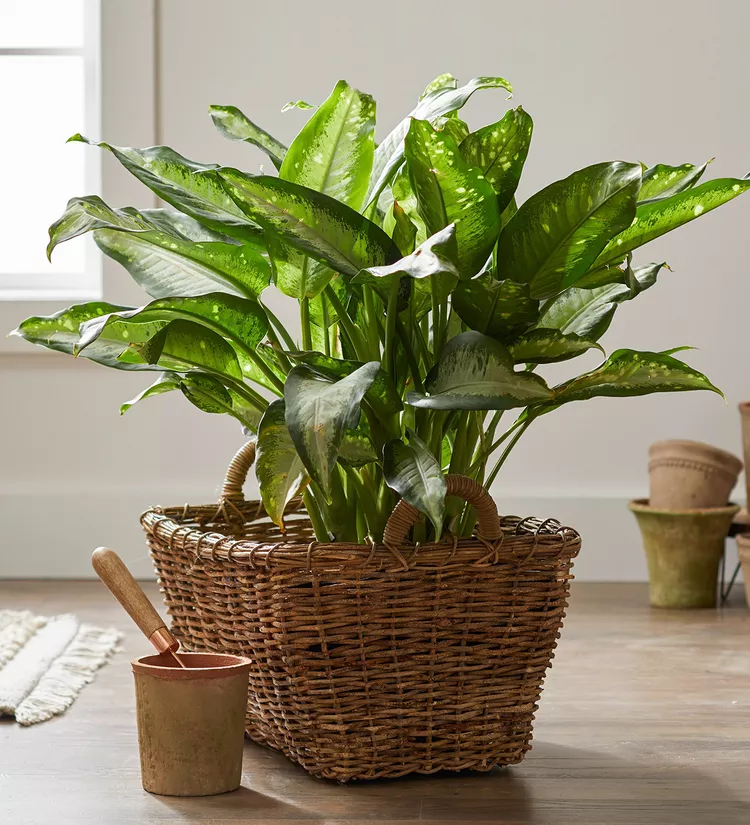
Dieffenbachia selections grow in low-light conditions and add a tropical appearance to decor. It's earned one of its common names, dumb cane, because of the symptoms that occur when it's eaten. The sap causes the tongue to burn and swell, enough to block off air to the throat. It can be fatal to both humans and pets if ingested in large amounts. There are plenty of stylish plant stands available in stores that will help you keep this plant off the ground and away from crawling babies and small dogs.
Growing Conditions: Bright, indirect light to low light and allow soil to dry out to an inch below the surface between waterings.
Size: Up to 5 feet tall
English Ivy
These plants are the perfect go-to vine to have draping from a bookshelf or indoor container garden. Large quantities of English ivy must be ingested to cause serious problems, but all parts of the plant can cause symptoms that include skin irritation, burning throat (after eating the berries), fever, and rash. Because ivy tends to trail, set it somewhere high off the ground, out of reach of children and pets.
Growing Conditions: Bright to medium light and keep the soil consistently moist.
Size: Vines can reach up to 6 feet indoors
Easter Lily
This flower's scent is unmistakable and the pure white blooms are eye-catching. Although they're beautiful, cats have been known to suffer serious illness after eating Easter lilies. Ingesting even small amounts of any part of the plant can lead to a cat's death from kidney failure if not treated by a veterinarian within 18 hours. Even the pollen is toxic to cats, so it's a smart idea to remove the yellow stamens right after the flowers open to prevent your pet from being exposed to any dropped pollen. The plant is not poisonous to children.
Growing Conditions: Bright, indirect light and water when the soil is dry to the touch.
Size: Up to 3 feet tall
Peace Lily
A popular low-light houseplant, the peace lily is toxic only if large quantities of the leaves are eaten. Enjoy the dark green leaves and white flowers from afar, (say, atop a bookshelf,) if you have pets or young children. As it ages, a peace lily's green foliage deepens in color.
Growing Conditions: Bright, indirect light to low light and allow the soil to dry out between waterings.
Size: Up to 3 feet tall
Daffodils
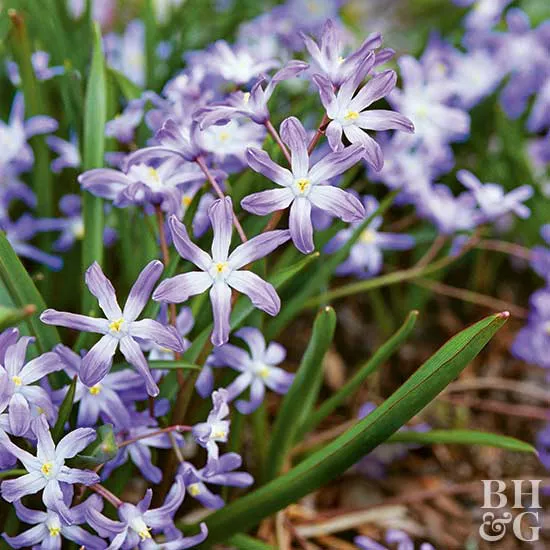
If you're planning on forcing bulbs indoors, you should know that many spring bulbs, including hyacinths and daffodils, when forced for indoor blooms, are toxic if eaten by humans or pets. Eating the bulbs (which can be mistaken for shallots or onions) can cause intense stomach problems, high blood pressure, irregular heartbeat, and even death. Make sure you keep daffodils up on a counter or shelf where they won't be disturbed, or try growing them in a terrarium.
Growing Conditions: Indirect light with consistently moist soil.
Size: Up to 3 feet tall
Philodendron
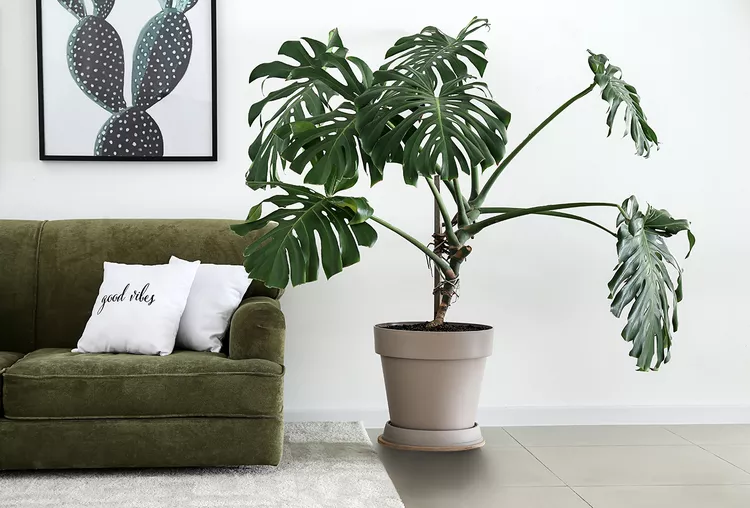
No other group of plants is as widely used indoors as philodendrons, but they are poisonous to humans and pets. Eating them can cause burning and swelling of lips, tongue, and throat, along with vomiting and diarrhea. Like ivy, philodendrons have a trailing habit, so keep them far from the floor.
Growing Conditions: Bright to medium light and consistently moist soil.
Size: Vines can reach up to 8 feet long
Pothos
A close relative of philodendron, pothos is just as easy to grow, but unfortunately causes the same symptoms as the philodendron if ingested. If you can't stay away from the heart-shaped leaves of this beauty, try it in a hanging basket to keep it up out of reach.
Growing Conditions: Bright to low light, and allow the soil to dry out between waterings.
Size: Vines can reach up to 8 feet
Sago Palm
Make your home feel like a tropical oasis with this miniature palm. One of the oldest living plants on earth, sago palm may have survived so long because animals don't eat it. All parts of the plants, including the seeds and roots, are poisonous. Ingesting sago palm causes vomiting and diarrhea, and may lead to liver failure.
Growing Conditions: Bright to medium light, and allow the soil to dry out between waterings.
Size: Up to 5 feet tall
ZZ Plant
The drought-tolerant ZZ plant makes a wonderful addition to low-light situations in homes and offices, but all parts of this plant are poisonous. Keep it away from children and pets, and wash your hands or wear gloves if you need to handle it. This plant tolerates neglect, so you won't need to come in contact with it much.
Growing Conditions: Bright to low light, and allow the soil to dry out between waterings.
Size: Up to 3 feet tall
New